
Appalachian Avens
Spreading Avens are federally listed wildflowers pushed to the elevational ceiling of the Southern Appalachian Mountains. I travel to one of the few remaining locations high in the mountains of Western North Carolina to witness and photograph this alpine wildflower in the rose family.
Summer / July 2025 / Mark VanDyke
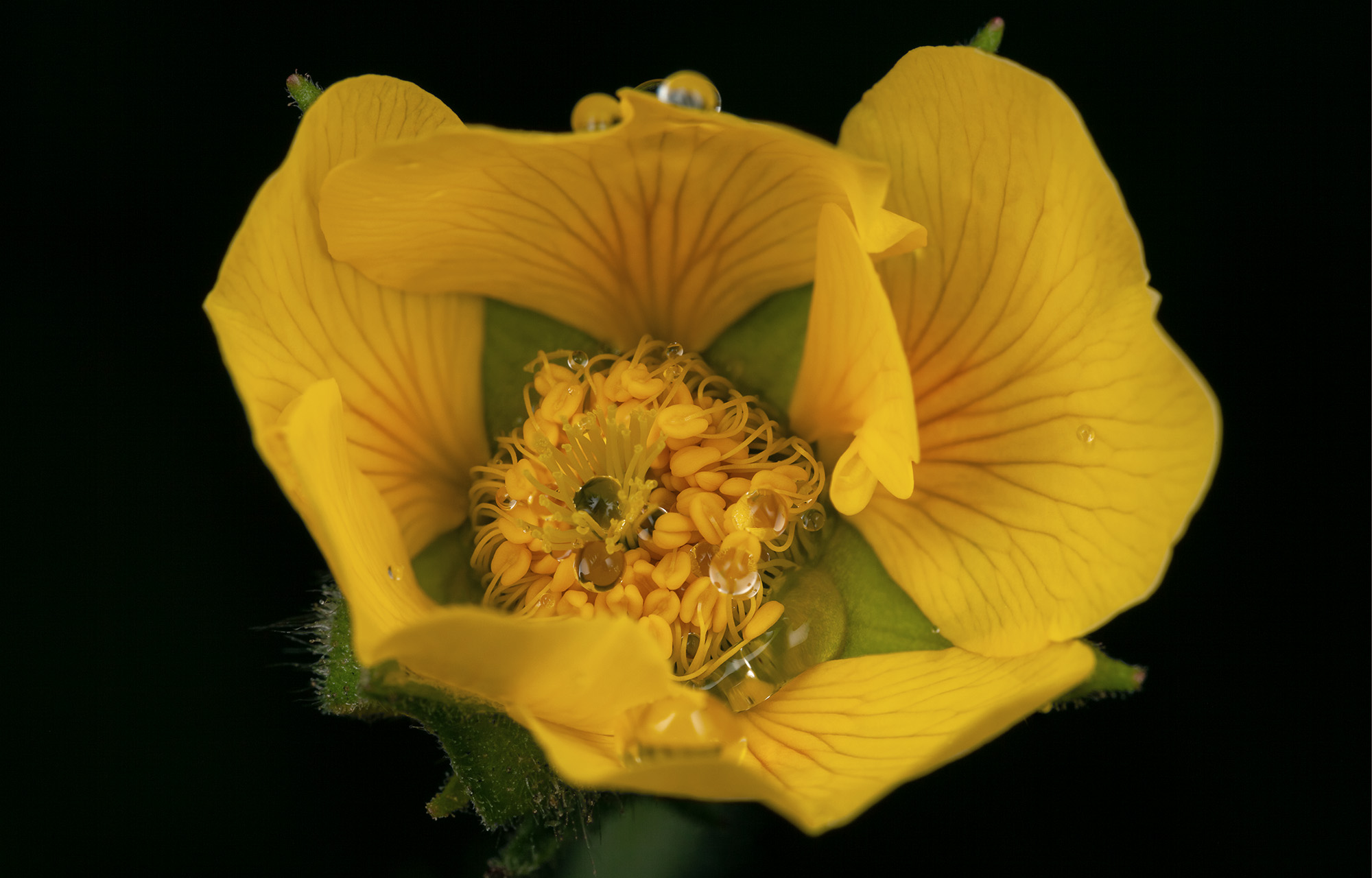
Rare wildflowers are more often than not found in not-so-rare locations. That’s the inside-joke of wildflower hunters. I often envision rare flowers occuring in rare places, hidden oases deep within the forest protected from all and seen only by those willing to seek. More often than not, however, I find myself photographing rare wildflowers on roadsides, my ass hanging into the roadway, constantly readjusting my position to accomodate oncoming traffic.
An exception to my experience is the Spreading Aven (Geum radiatum), a federally endangered plant that grows in locations that are the stuff of lore. Seeding within the shallow, acidic soils of craggy north-facing cliff faces at the highest elevations of the Southern Appalachian Mountains, seeing this wildflower in its native habitat is an adventure. The plant ecologists who conduct periodic census on the health of Spreading Avens often use ropes and rappeling to enter this unique habitat.
I’ve admired several populations of Spreading Avens from a distance–high above on viewing platforms and overlooks–and I’ve been lucky enough to find a few in the wild as well. The population that I continue to photograph, however, is likely transplanted, the location too near a roadside and too convenient to fit my understanding of this rare plant. I’m okay with that though. Reading the recovery plans put forth by the U.S. Fish & Wildlife Service, my attention and visitation of this wildflower is not desired. The main threat to Spreading Avens is human-caused disturbance. Trails are re-routed, volunteers are used as daytime monitors during bloom season at popular locations, and fences, barricades and signage are used to discourage hikers from damaging the fragile habitat of the few remaining plants found in Southern Appalachia.
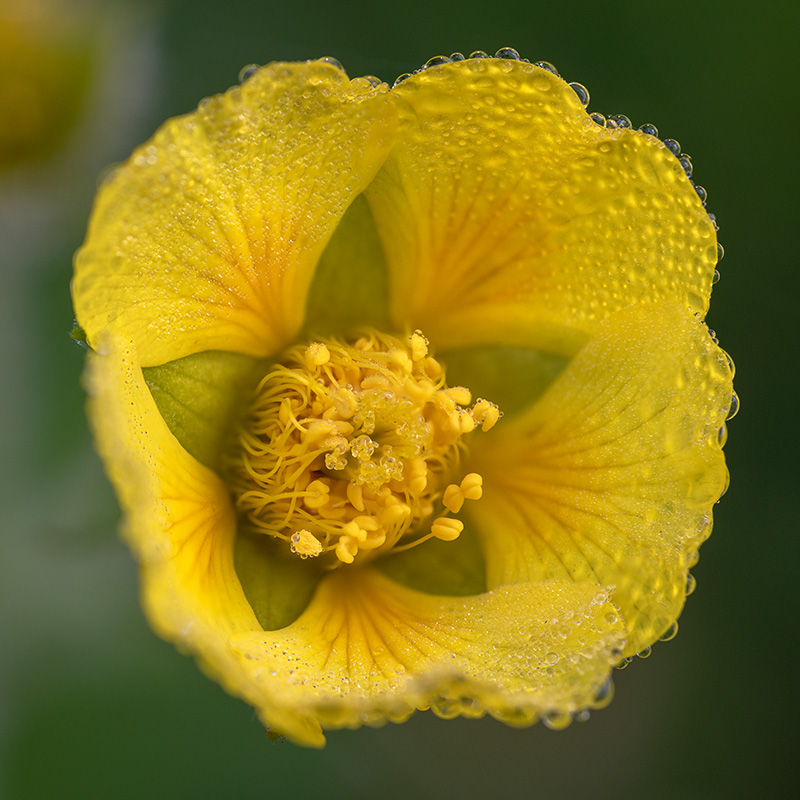
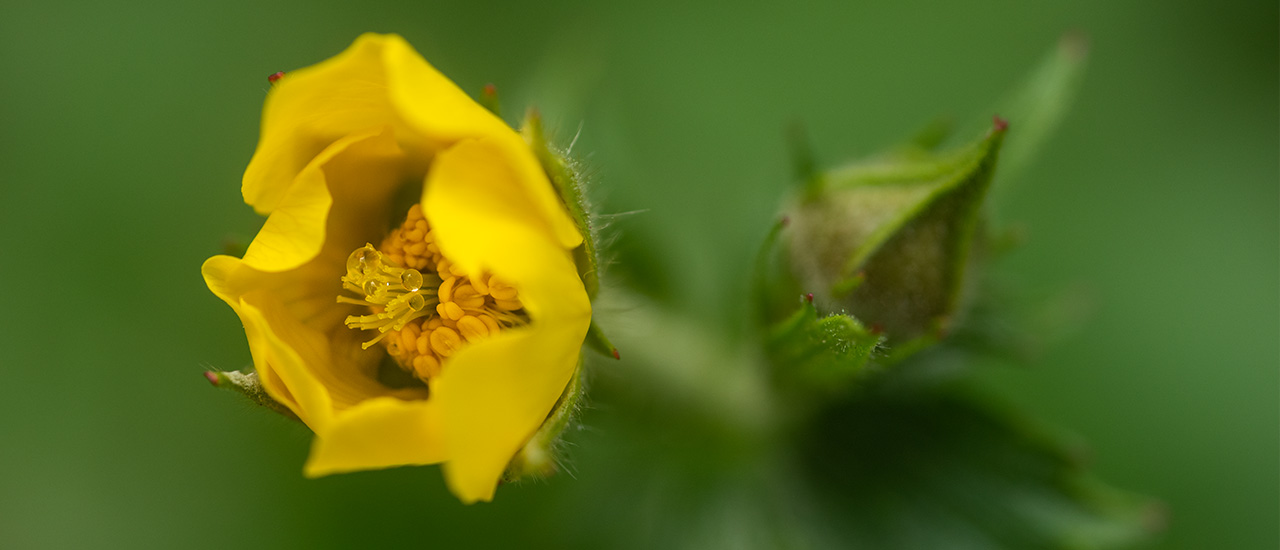
(Above): My first encounter behind the camera with Spreading Aven (Geum radiatum) in 2019.
Spreading Avens are an alpine holdover from glaciation. As the climate warmed, they became increasingly isolated and were forced to climb higher and higher to where they exist today, at the ceiling of the tallest peaks of the Southern Appalachian Mountains, often bordering Spruce-Fir Forest and/or grassy bald habitat. They grow on cliffs and rocky outcrops facing north / northwest where the climate and conditions are often extreme. Strong winds coming straight up the rock faces, extreme cold, rime ice, consistent cloud cover, fog and high rainfall characterize these high elevation environments.
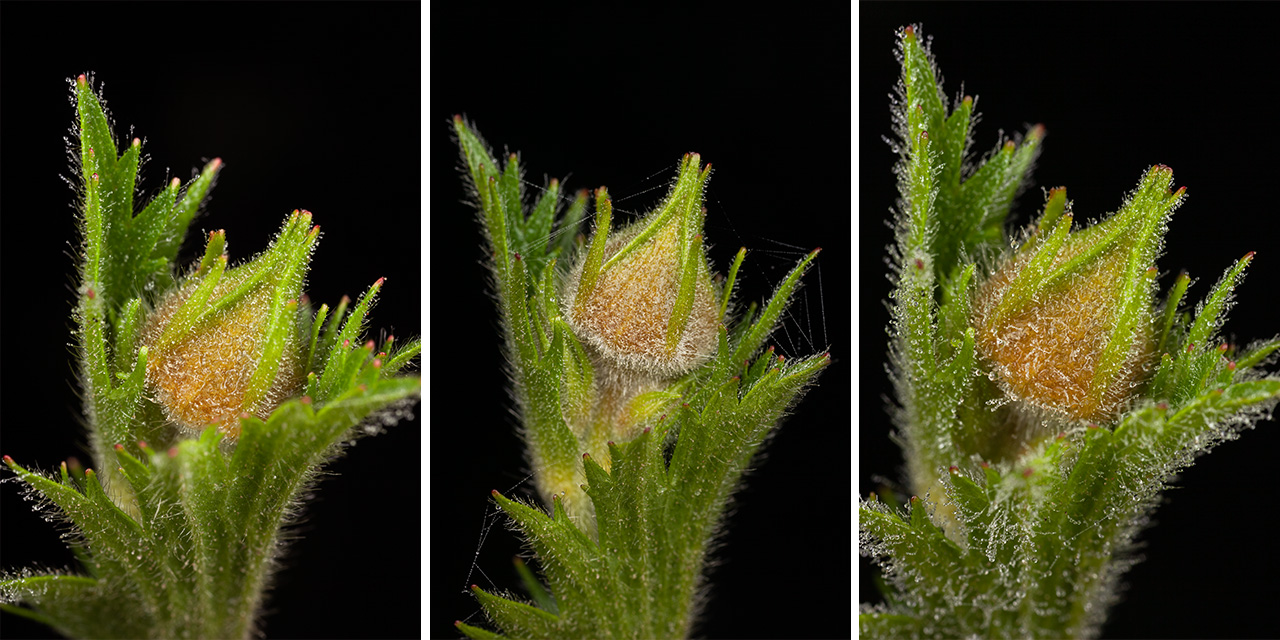
The flowers are bright and yellow with basal, kidney-shaped green leaves. Both the buds and leaves are fuzzy with many tiny hairs, capturing the frequent condensation and moisture within this habitat (some of my favorite conditions to photograph these showy flowers!). Spreading Avens were listed as federally endangered in 1990. Fourteen or so populations exist today, most in Western North Carolina. NatureServe ranks Spreading Avens as G2 / globally imperiled and S2 / Imperiled in North Carolina.
My first encounter behind the camera with a Spreading Aven was in 2019. It was brief and my skill as a macro photographer was low. I remember feeling unsatisfied with my results, feeling I had left considerable visual potential on the table. I carried this feeling through the weird Covid lockdowns of 2020 and returned to the Spreading Avens in 2021 with the same limited gear but an increased sense of comfort working with small subjects.
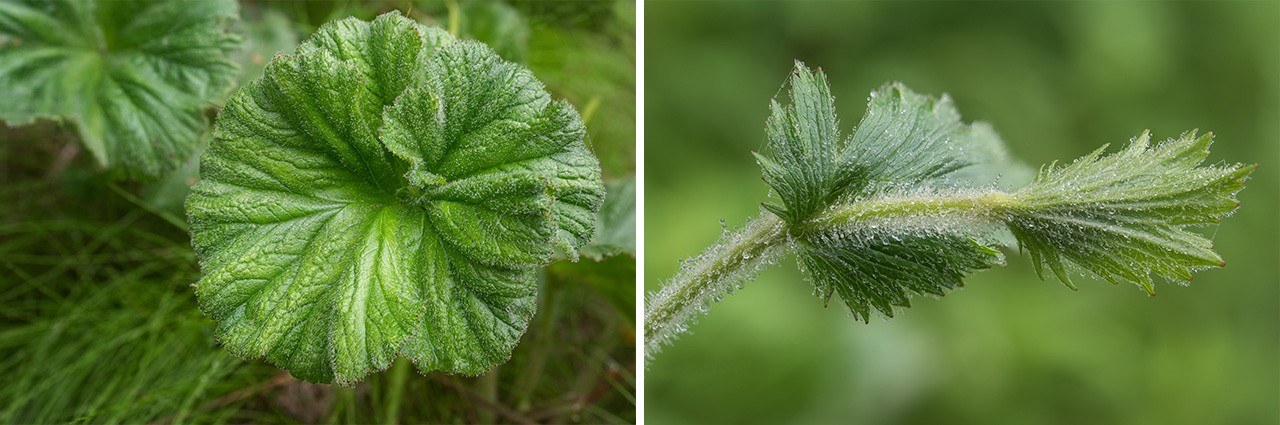
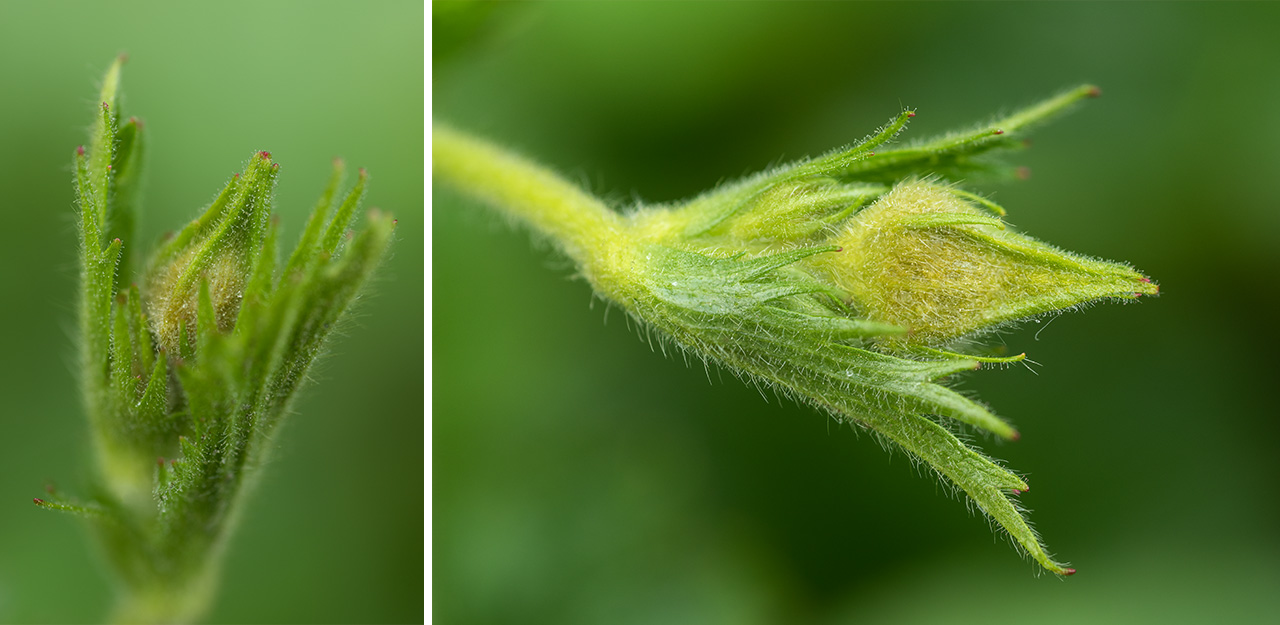
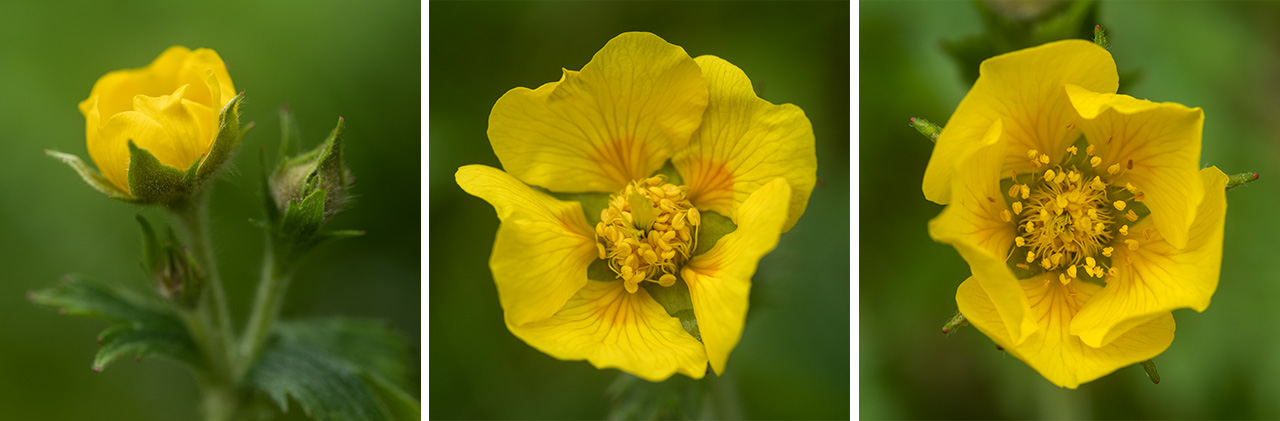
(Above): Spreading Aven wildflowers in various stages of bloom (2021).
Still feeling limited by my gear, I sought solutions to allow my images to move closer and to capture more. I’ve never been impressed or desirous of the type of perfection that comes from extreme compositing of hundreds of images, which I was learning might be required when moving to focal planes greater than lifesize (1:1). Luckily, I’ve always been comfortable embracing a large degree of imperfection: choosing my focal subject–even if that subject was a piece of a piece of the whole–and letting the remainder of the detail fade to mystery. It feels more honest and authentic to my eye and mind. Less scientific and more artistic. A value statement away from technology and towards subject, rawness, and the beautiful messiness of life.
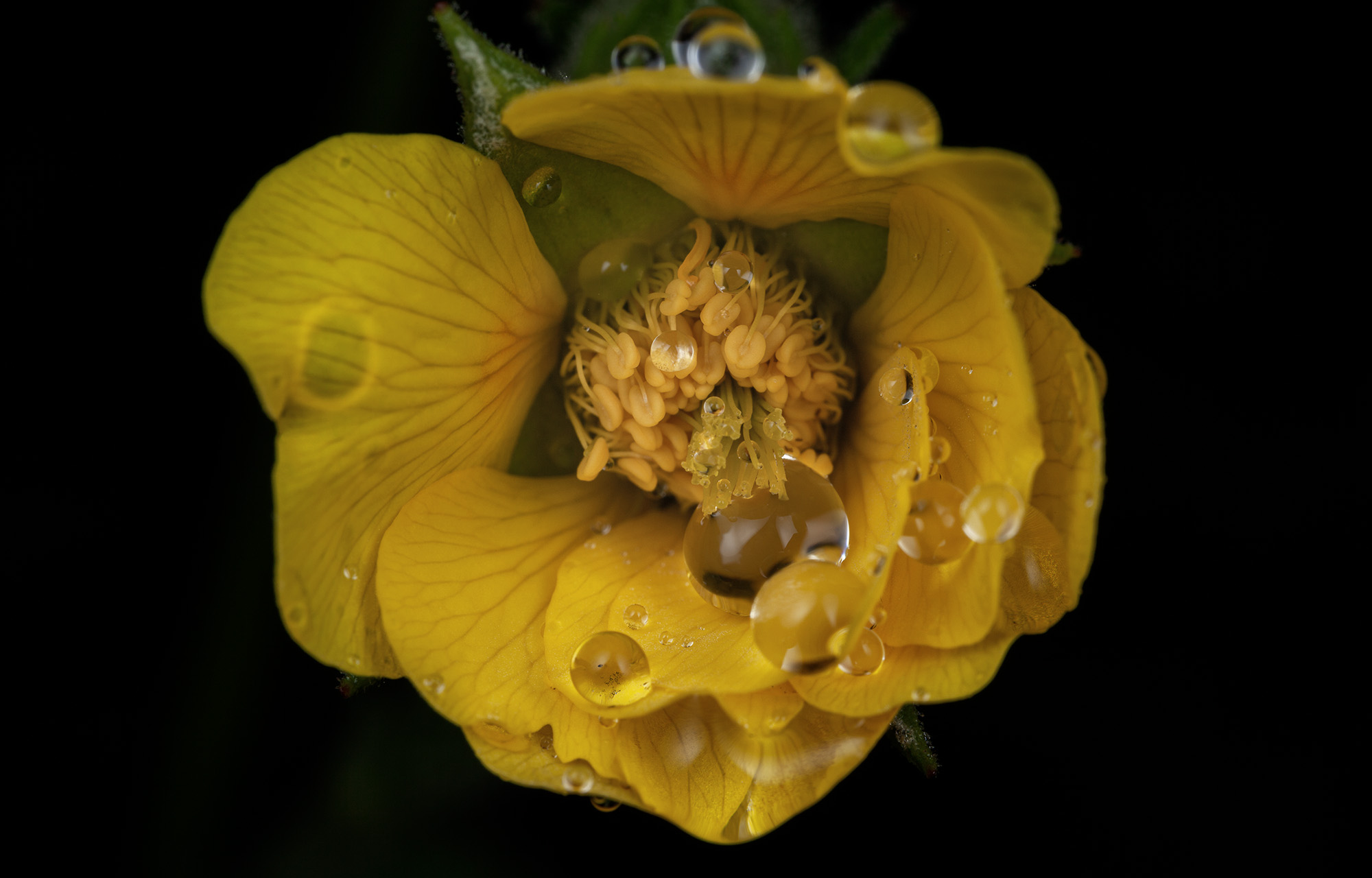
In 2022, I returned to the Spreading Avens for the first time with the type of gear that had no limits. I could move as close towards my subjects as I dared–or, more accurately, as near to my subjects as my shaky, non-stable hands would allow. Flash–artifical light–became necessary at this focal range. Blending ambiant and artifical light became my new challenge. As someone who cherishes a natural, organic aesthetic, the harsh contrasts created from light fall-off in the background, as well as the close proximity to subject were uncomfortable. On the other hand, the capability was intoxicating. I wanted more. I wanted to become better.
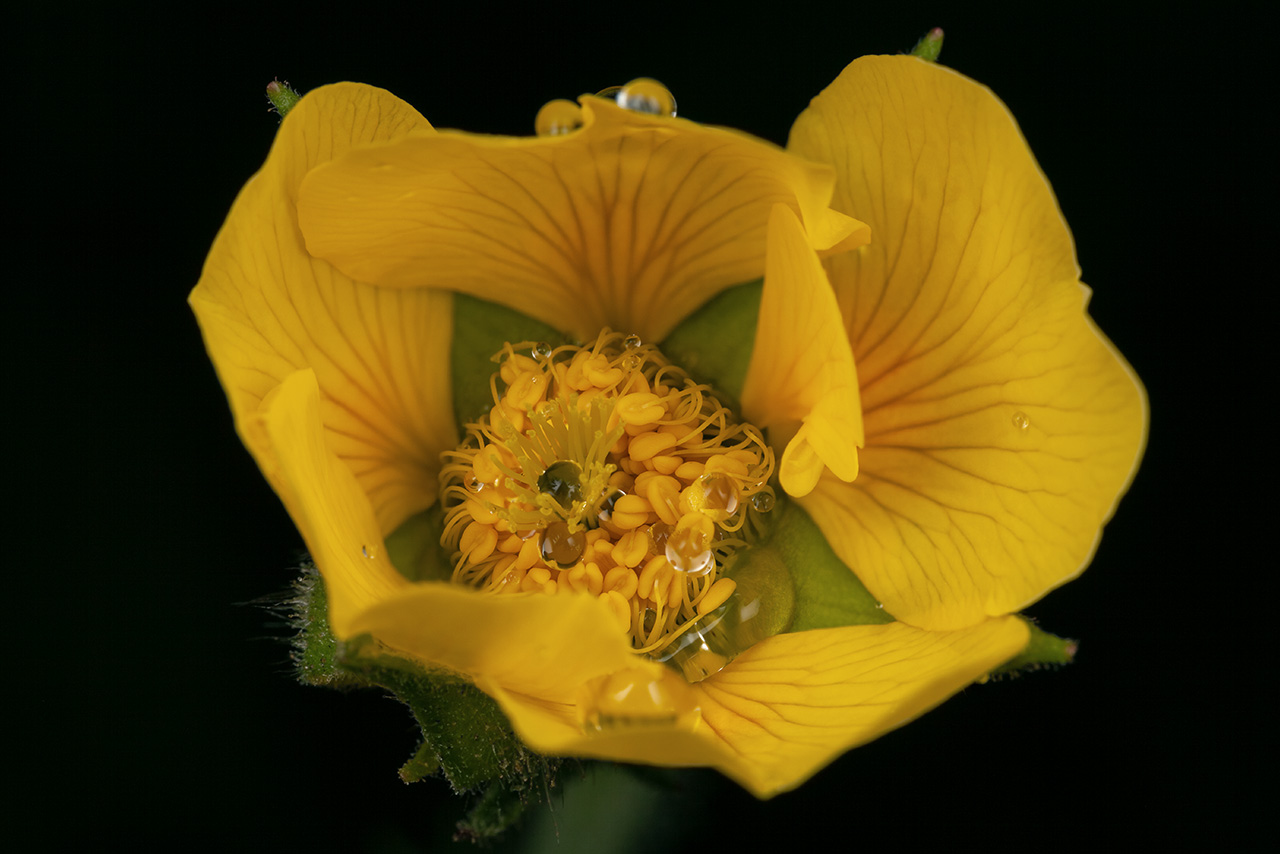
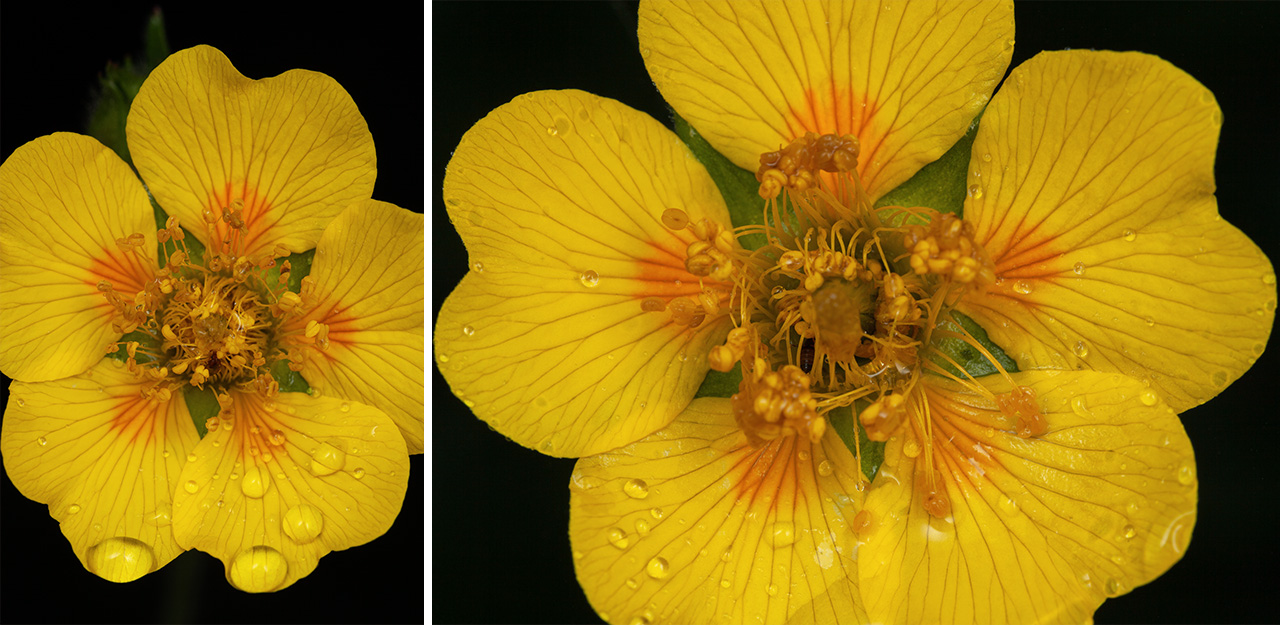
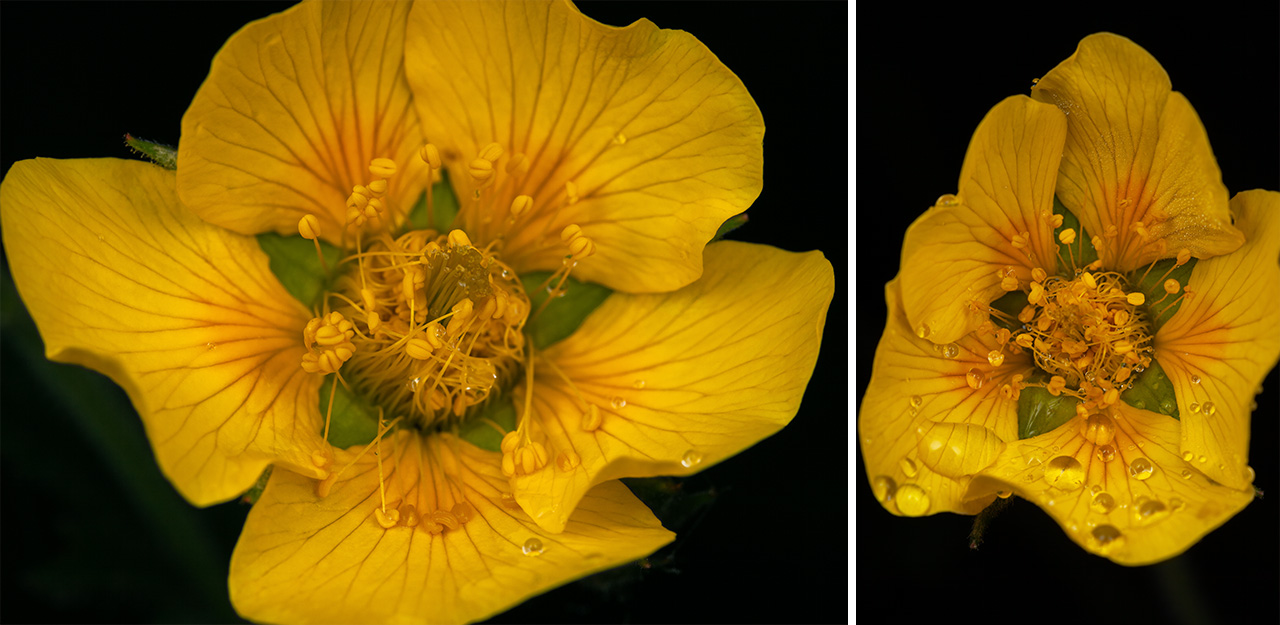
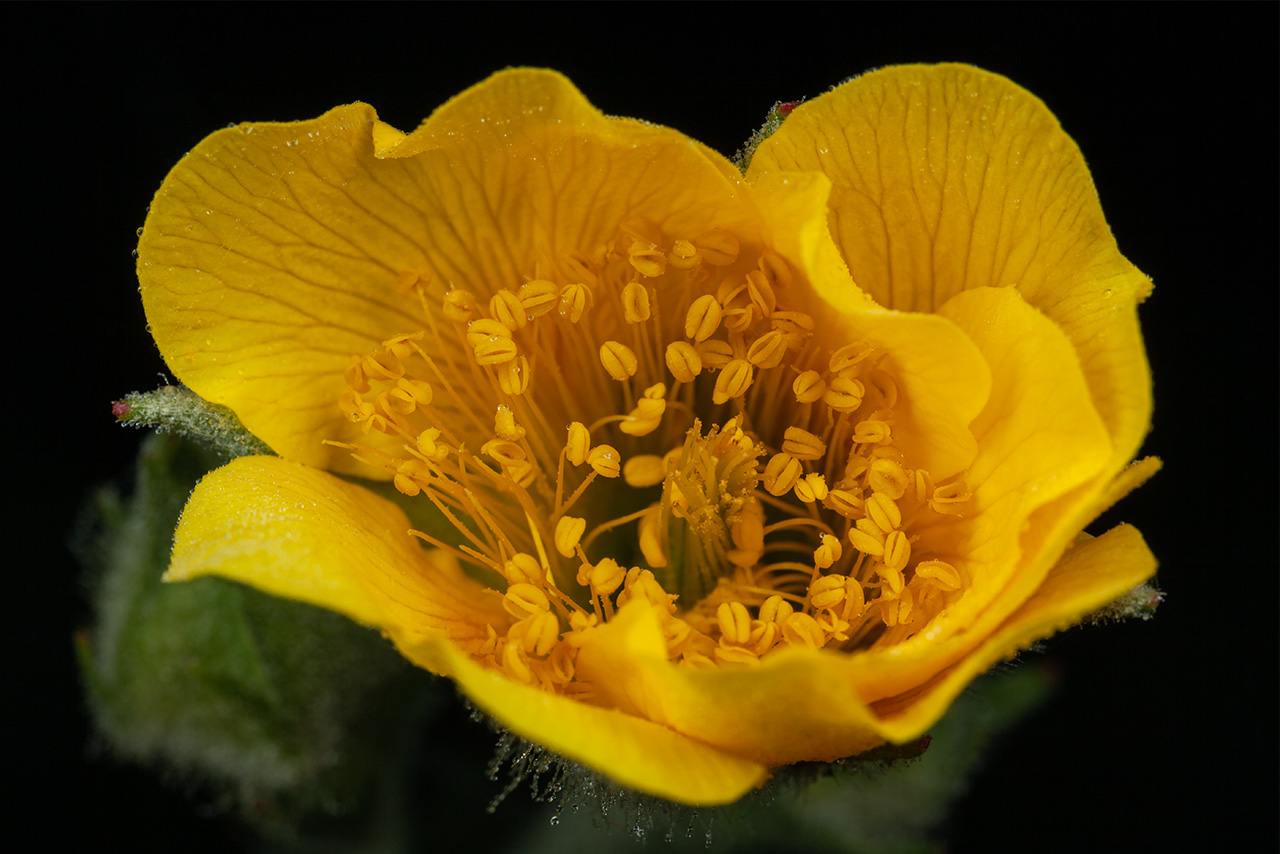
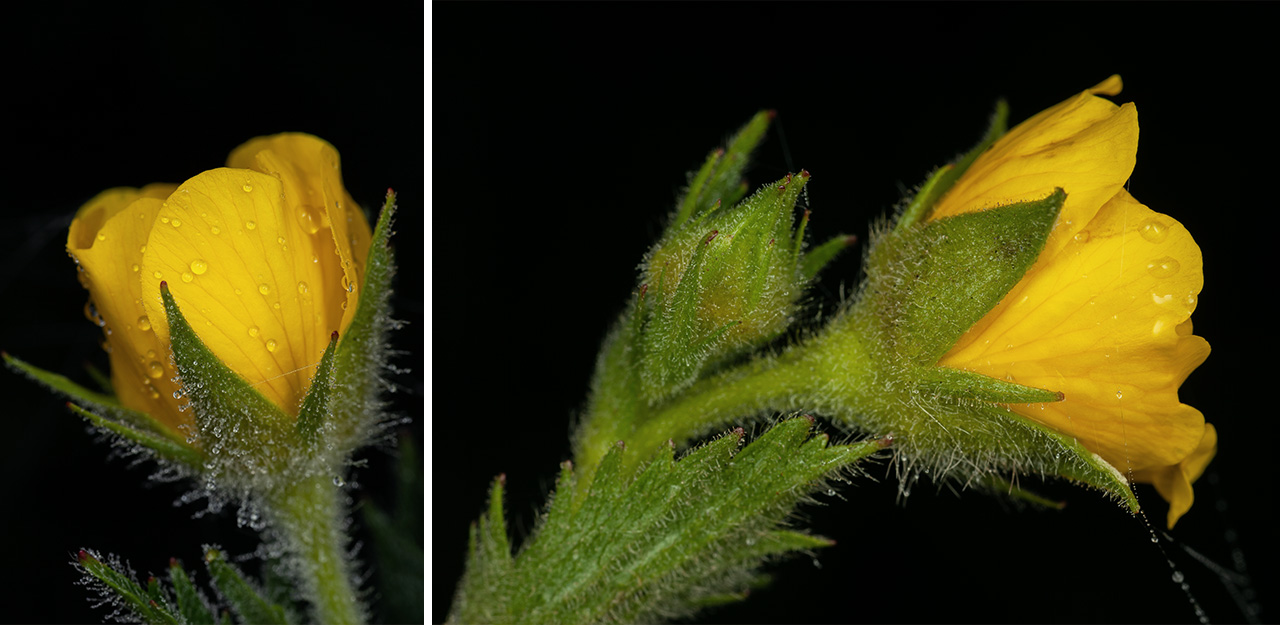
(Above): Spreading Aven wildflowers photographed at lifesize and greater than lifesize (2022).
And again in 2025, I revisited these beautiful, rare wildflowers trying to decode the pattern–the underlying meaning or importance or beauty that continues to call out to me. Perhaps Spreading Avens are canaries in the coal mine for a warming climate? Or, perhaps they simply represent the adventure of finding rare things? Or maybe they speak to the value I place on the component pieces that make the larger landscape? Perhaps it’s some amalgamation of all these things.
I don’t often understand why I want to photograph a particular subject, I just know that I’m drawn to it. I figure, with time, energy and attention, the purpose will make itself clear to me. Or not. And in that case, I just keep working, keep visiting, keep giving my attention. That’s my process. I love the effort.
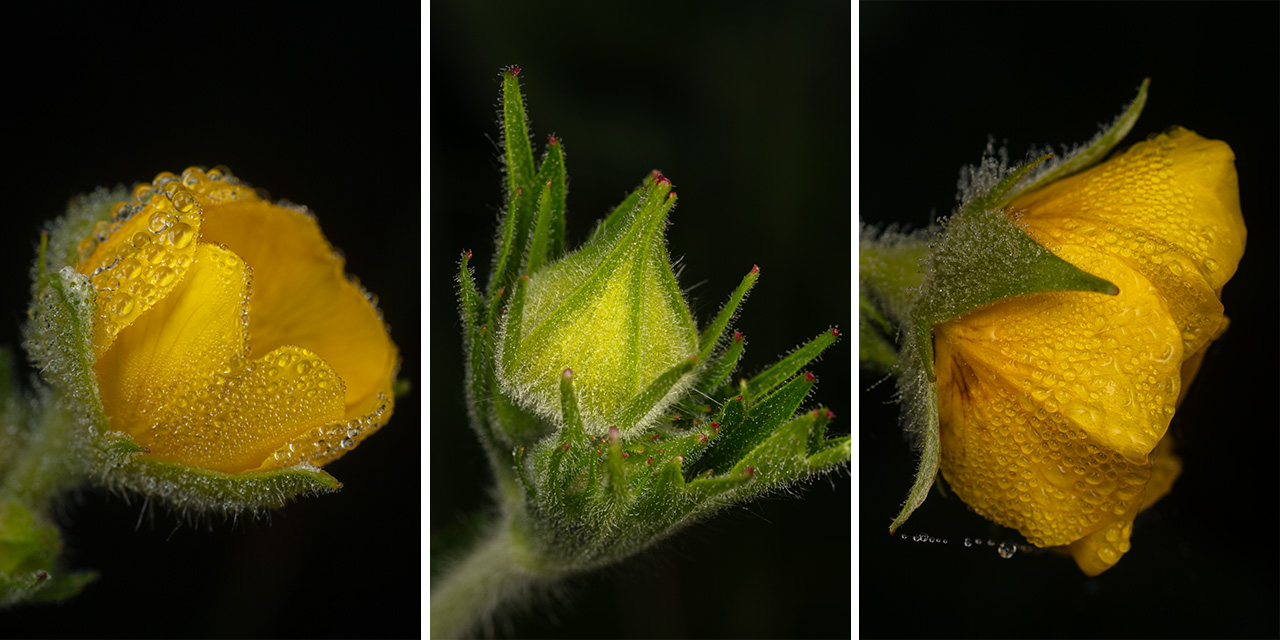
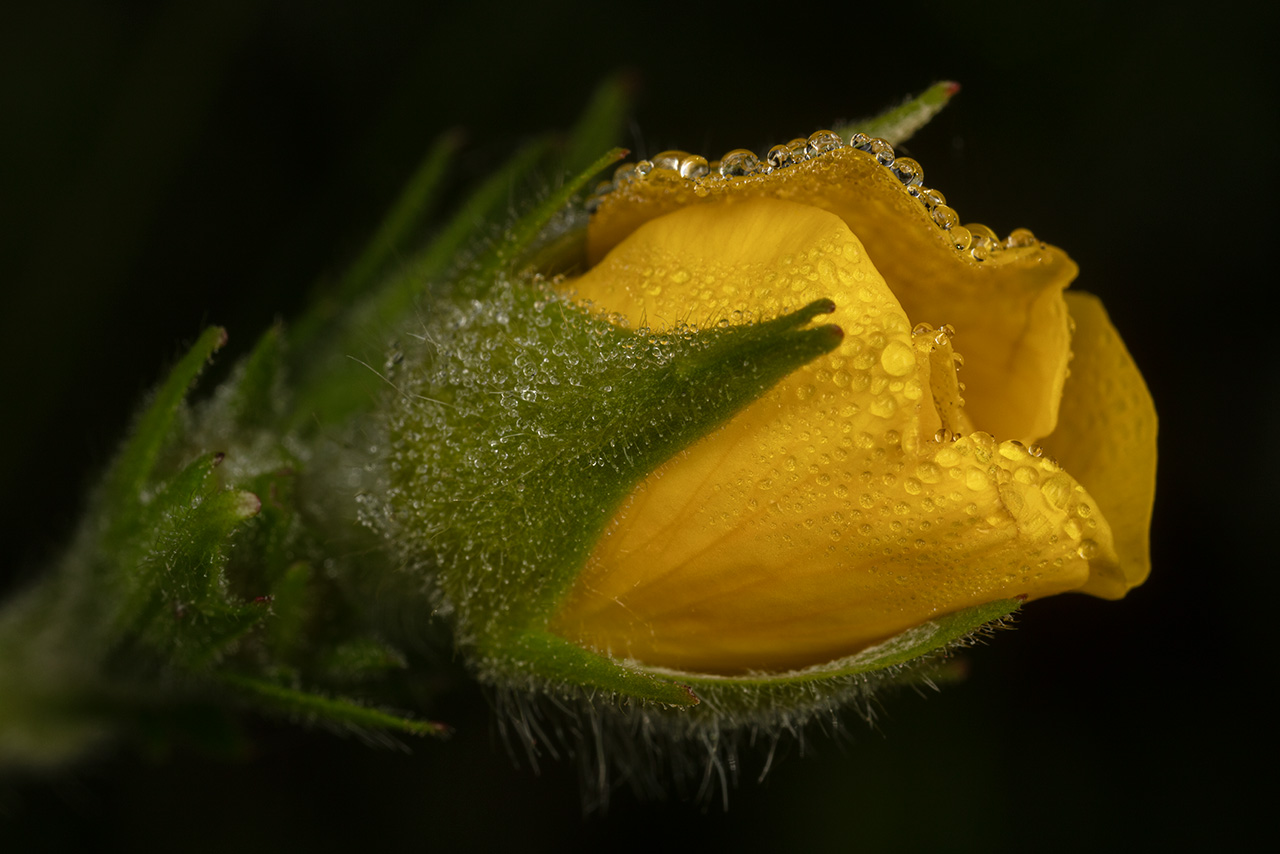
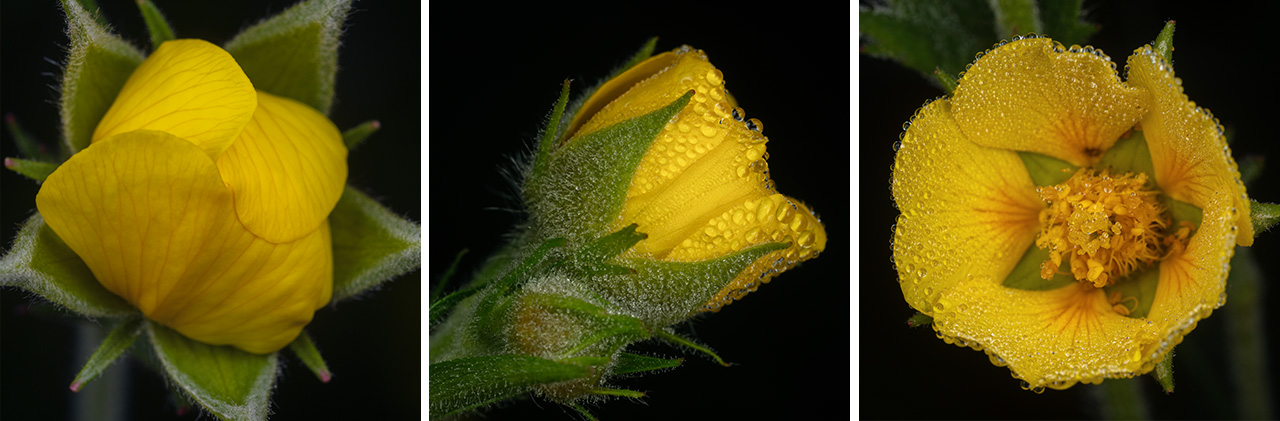
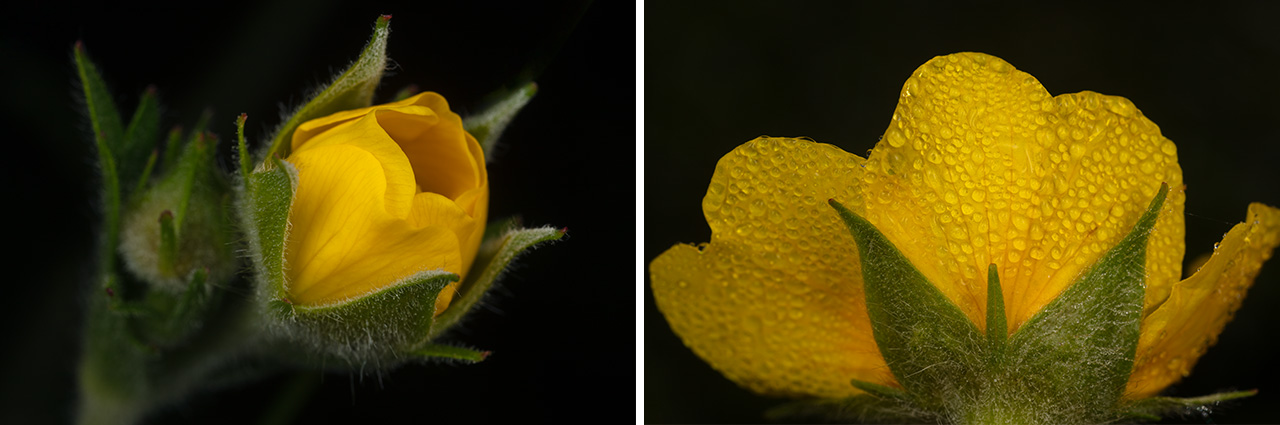
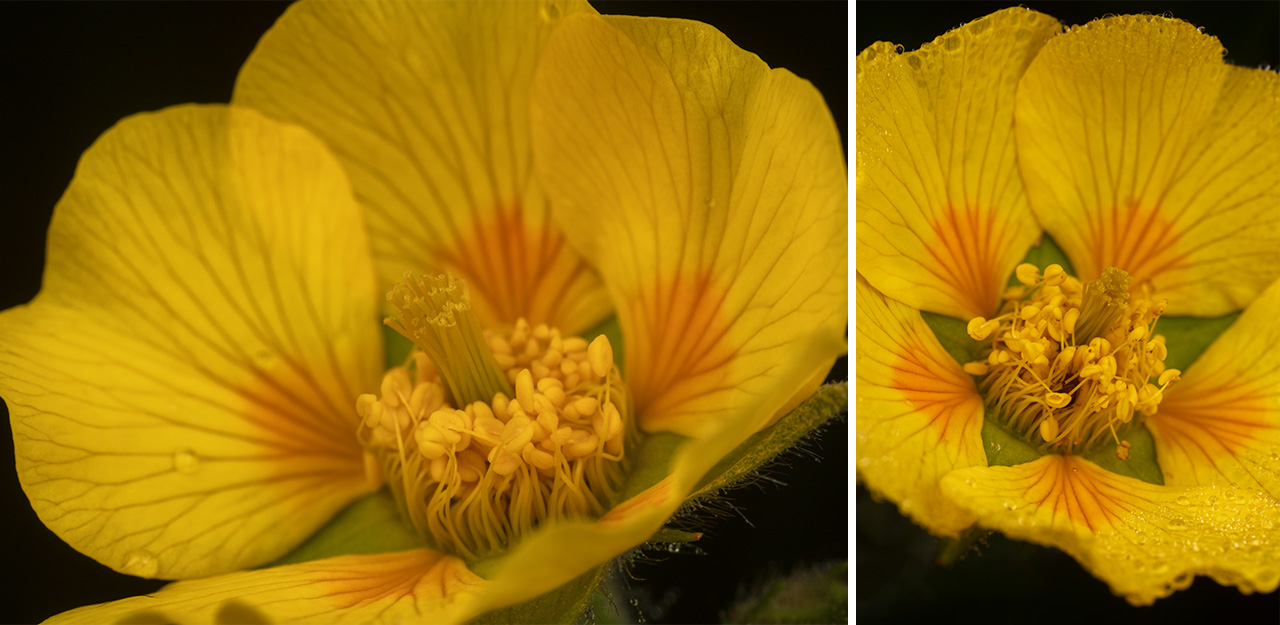
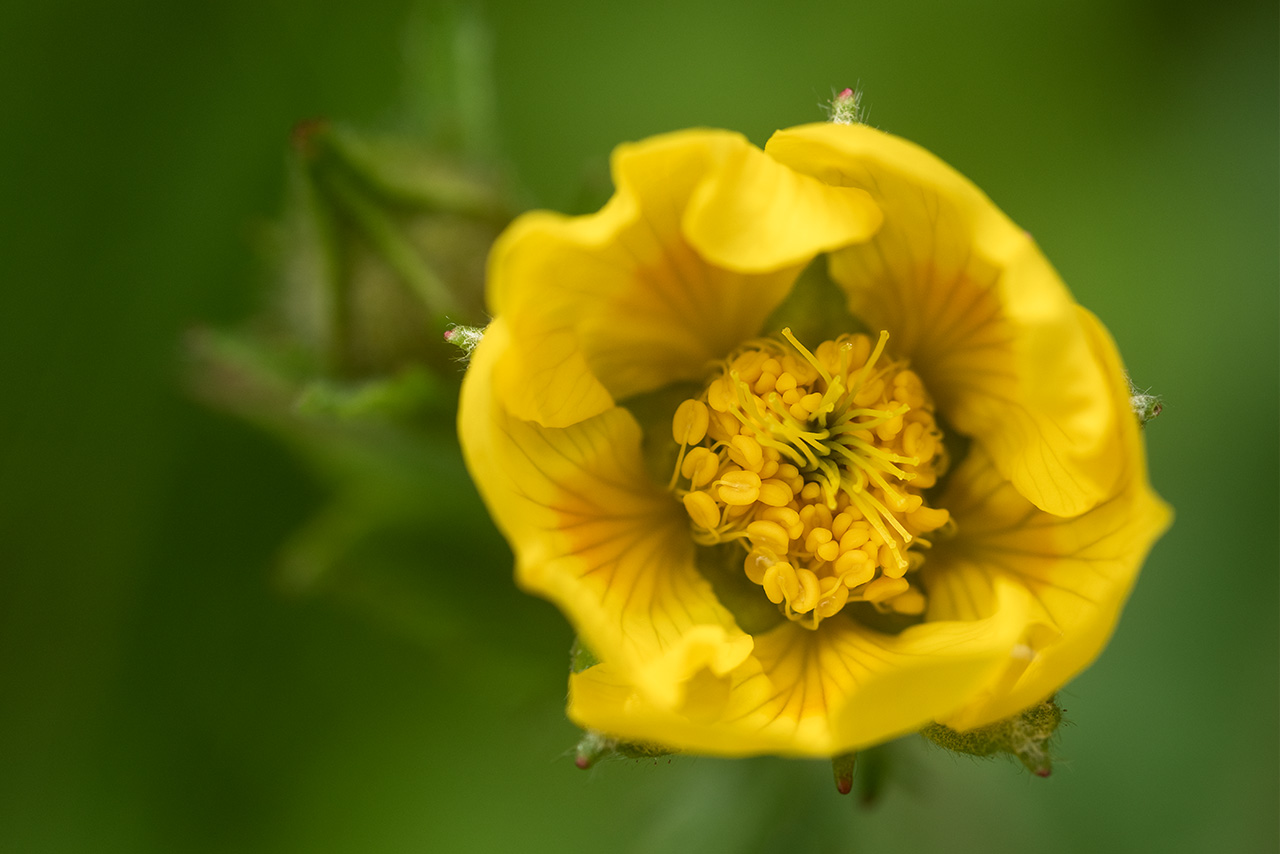
(Above): Spreading Aven wildflowers at high elevation in the Southern Appalachian Mountains (2025).
Parting Thoughts
I feel guilty when I photograph Spreading Avens. It’s true. The small patch I photograph is relatively near to a roadway. When I hear a car approaching, my instinct is to walk away before the car arrives. I know that the primary threat to this wildflower is human disturbance. I don’t want my presence or my camera gear to draw others towards this rare plant. And this secrecy–this lack of sharing–only grows that little bubble of guilt. Yet, I’m drawn to be close. If a warming climate pushes this wildflower out of the Southern Appalachian Mountains, I want to have known its flower, its habitat, and its presence. I want to be witness to the plants that make place, that decorate the land and differentiate one bit from another.
When I’m photographing a rare wildflower such as the Spreading Aven, I often imagine that I’m a National Geographic photographer. That my photo editor is waiting for my frames and I must capture the spirit and essence of this small, beautiful, delicate life. I imagine a voracious audience of viewers waiting to learn about this beautiful wildflower and to ponder its importance to the Southern Appalachian Mountains and to life in general. I think of the words that a writer might use to introduce and capture the Spreading Aven into the lives of readers; the way a poet dances with words and meaning. And I dream of being the photographer-poet who creates the types of images that could sit beside those words and carry that message.

0 Comments